
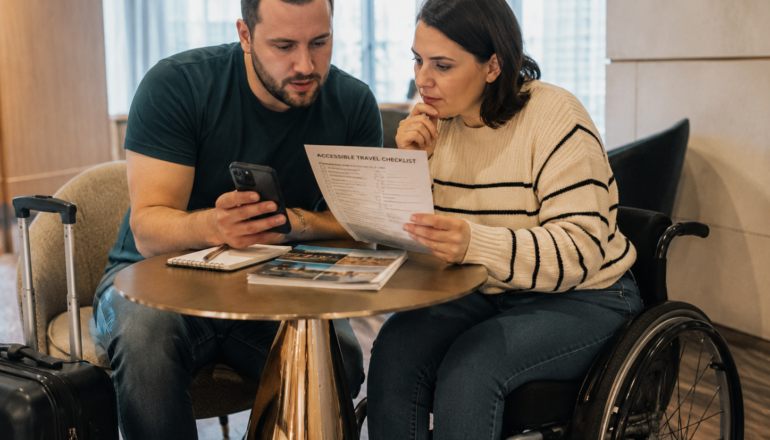
Unexpected situations can happen. What matters is how they are managed
When we talk about accessible travel, we often focus on the planning stage: choosing a destination, checking the accommodation, confirming transfers, reviewing activities and anticipating the needs of each traveller.
And yes, that planning is essential.
But there is another key part of the travel experience: knowing what happens when, despite all the planning, an issue comes up during the trip.
An accessible transfer that does not arrive.
A hotel room that does not match what was confirmed.
A bathroom that is not functional for the traveller.
An excursion that turns out not to be accessible or safe.
A provider that changes a condition at the last minute.
A mobility aid that is damaged during the journey.
Unexpected situations can happen. They can also happen in accessible tourism.
The difference is whether the traveller has to deal with the problem alone or is supported by a specialised travel agency that understands what is at stake and knows how to act.
At TUR4all Travel, we work from this perspective: we do not simply sell destinations. We design trips around the real needs of each traveller and provide support before, during and after the journey.
Because travel with purpose also means being there when something does not go as expected.
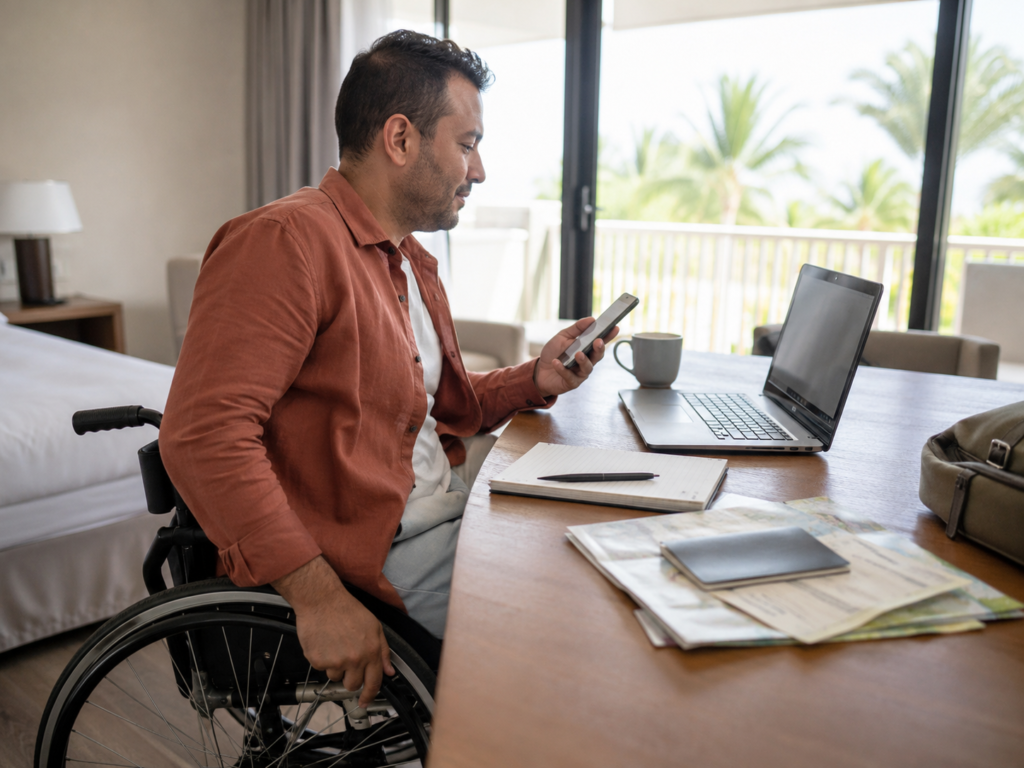
Accessibility does not depend on one single service
One of the biggest challenges in accessible tourism is that the travel experience does not depend on just one element.
It is not enough for the hotel to have an accessible room.
It is not enough for the transfer to be confirmed.
It is not enough for an activity to say it can welcome a person with reduced mobility.
It is not enough for the itinerary to look possible on paper.
An accessible trip works when the whole travel chain responds: transport, accommodation, surroundings, activities, timing, communication, support and the ability to react.
That is why, when one part fails, it can affect the whole experience.
A wrongly assigned room is not just an inconvenience. It can prevent someone from resting, showering or moving around independently.
A transfer that does not arrive is not just a delay. It can mean missing an activity, a connection or creating a stressful situation.
An excursion that was not really accessible is not just a disappointment. It can affect the safety and participation of the traveller.
In accessible travel, issues should not be treated as simple “logistical problems”. Their real impact must be understood.
What kind of issues can come up?
Every trip is different, but there are situations that tend to happen more often.
1. The transfer does not arrive or is not the expected vehicle
The vehicle may arrive late, may not be accessible, may not have enough space for a wheelchair or the driver may not have received the right information.
In these cases, the issue is not just the delay. The traveller needs an alternative that actually meets their access needs, not just any available transport.
2. The room does not match what was confirmed
This is one of the most delicate situations. The room may already be occupied, may have been changed, may not include the expected bathroom, may have a bed that is too high or may not allow enough turning space.
When this happens, it is important to act quickly, speak with the accommodation and look for a viable solution.
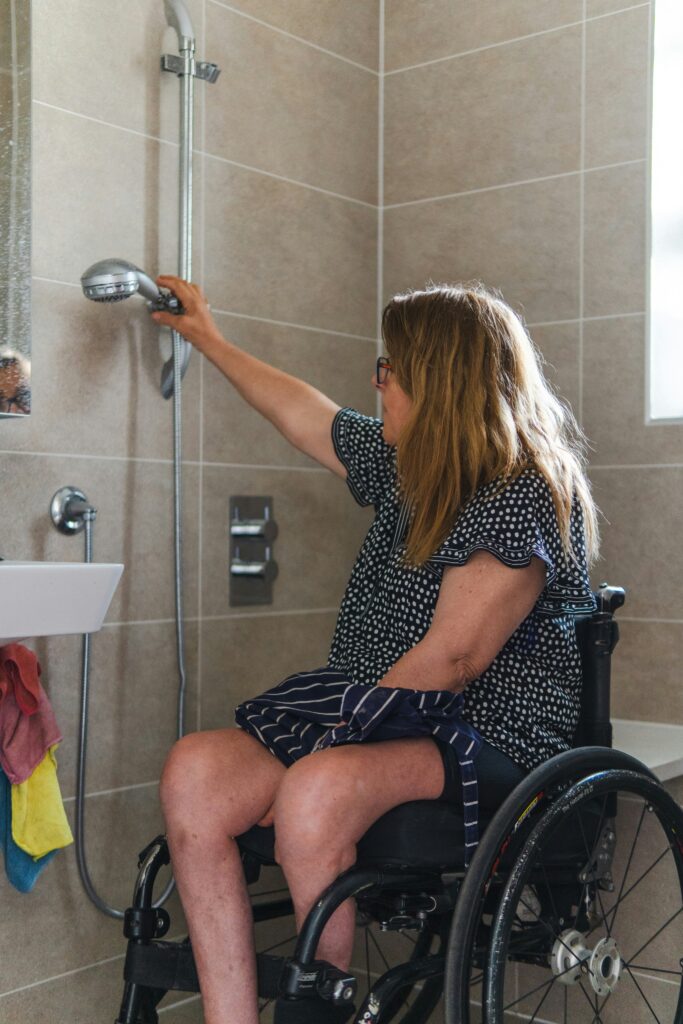
3. The bathroom is not functional
A bathroom may be described as accessible and still not work for a specific traveller.
There may be no step-free shower, the grab rails may not be suitable, there may be no lateral space beside the toilet, the shower screen may prevent transfers or the shower seat may not be safe.
This type of issue directly affects a person’s independence and dignity.
4. The activity or excursion was not truly accessible
Sometimes the information provided in advance is not enough or does not match the reality of the destination. There may be steps, steep slopes, uneven surfaces, no accessible transport or no support during the activity.
In these situations, it is necessary to assess whether the experience can be adapted, whether an alternative is available or whether the activity should be cancelled because it is not safe.
5. Last-minute changes
Schedules, providers, rooms, routes or services may change during a trip. When that happens, the key is to respond without improvising and without placing the full burden on the traveller.
6. Lack of communication between providers
Sometimes the hotel has one piece of information, the transfer company has another and the activity provider has something different. That lack of coordination can create a chain of problems.
This is why it is so important to have an agency that centralises information, checks details and follows up.
First: listen and understand what is happening
When an issue arises, the first step is not to give an automatic response.
The first step is to listen.
What exactly has happened?
Where is the traveller?
What do they need at that moment?
Is there any risk?
Does the issue affect their mobility, rest, hygiene, safety or participation in the trip?
Can it wait, or does it need an immediate solution?
At TUR4all Travel, we do not treat every issue in the same way, because not every issue has the same impact.
A 10-minute delay is not the same as not having a functional room.
Incomplete information is not the same as an activity that cannot be carried out safely.
An inconvenience is not the same as a barrier that limits someone’s independence.
That is why the first step is always to understand the situation properly.
Then: contact the providers involved
Once the issue has been identified, the next step is to contact the people or companies that can help resolve it: the accommodation, transport company, guide, local partner, airline, activity provider or assistance service at the destination.
This is where a specialised accessible travel agency adds real value.
It is not just about calling and saying that “there has been a problem”. It is about clearly explaining what the traveller needs and why the solution must be appropriate.
For example:
- not just any room will work if the traveller needs a step-free shower;
- not just any taxi will work if the person is travelling with a powered wheelchair;
- not just any alternative will work if it involves steps, steep slopes or lack of support;
- waiting for several hours may not be acceptable if the issue affects rest, hygiene or safety.
Accessibility is not solved with generic answers. It is solved with specific information.
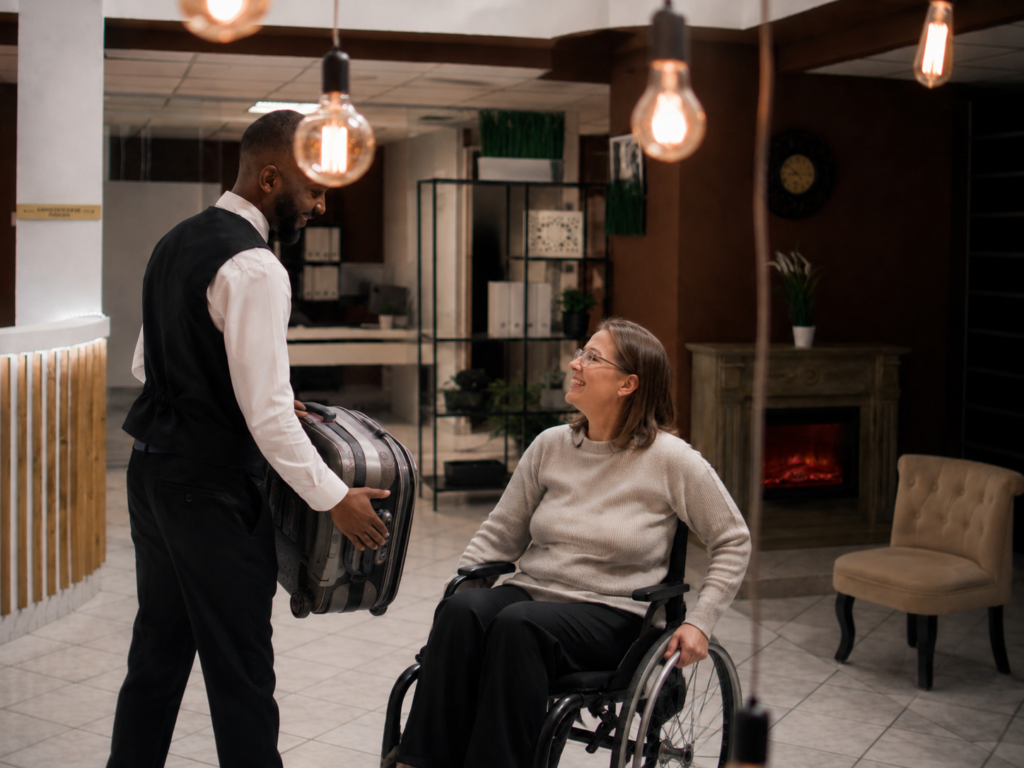
Finding a realistic and quick solution
When an issue comes up during a trip, the goal is to find a solution that is useful, safe and viable.
Sometimes that means changing the room.
Sometimes it means finding another vehicle.
Sometimes it means adapting an activity.
Sometimes it means reorganising the schedule.
Sometimes it means cancelling a service and offering an alternative.
Sometimes it means documenting the situation for a later complaint.
What matters is not leaving the traveller alone with the problem.
Good management does not mean that everything can always be solved immediately or perfectly. Some destinations, schedules and providers have real limitations. But it does mean that someone knows what to ask, who to contact and which alternatives to consider.
Documenting the issue when necessary
Some situations should be documented.
Not out of mistrust, but because it helps protect the traveller and improves any follow-up management.
It may be useful to keep:
- photos;
- videos;
- emails;
- messages;
- receipts;
- incident reports;
- names of providers;
- times;
- changes made;
- responses received.
This is especially important when the issue affects a contracted service, a condition that had previously been confirmed or a possible claim.
Documenting the situation does not mean making it dramatic. It means having clear information.
Supporting the traveller without replacing their decision
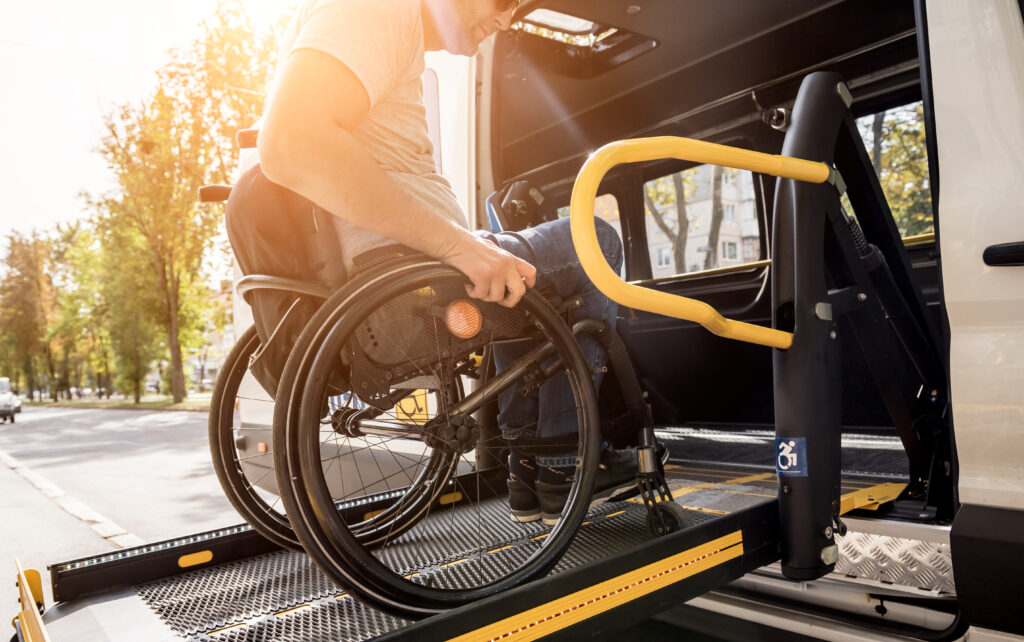
In an accessible trip, the traveller must remain at the centre of the decision-making process.
The agency can guide, manage and suggest alternatives, but it should not make decisions for the traveller without involving them.
That is why, when an issue comes up, it is important to explain the options clearly:
- what can be solved immediately;
- what alternatives are available;
- what limitations exist;
- what consequences each option may have;
- what steps can be taken afterwards.
Accessibility is also about autonomy in decision-making.
Reviewing what happened after the trip
Managing an issue does not end once the immediate problem has been solved.
After the trip, it is important to review what happened:
Was the initial information correct?
Did the provider meet what had been confirmed?
Was there a coordination problem?
Was any important detail missing?
Should we continue working with that provider?
Do we need to change the way we verify that service?
Can a similar situation be prevented in future trips?
This learning process is essential.
At TUR4all Travel, every issue also helps us improve our procedures, reinforce our checks and make better decisions for future trips.
A specialised agency does not promise that nothing will ever happen
It is important to say this clearly: no agency can guarantee that an issue will never arise.
Tourism is a complex activity. It involves many providers, destinations, infrastructures, people and external factors.
But a specialised accessible travel agency can make an important difference by:
- anticipating critical points;
- asking the right questions before booking;
- checking information;
- explaining specific needs to providers;
- avoiding generic solutions;
- supporting the traveller throughout the process;
- acting when something goes wrong;
- and learning from each experience.
The promise should not be: “nothing will ever happen”.
The promise should be: if something happens, you are not alone in dealing with it.
Why this is part of travel with purpose
For TUR4all Travel, travel with purpose is not just about choosing beautiful destinations or designing inspiring experiences.
It is also about making travel possible with more information, more safety and more independence.
It means understanding that, for many people with disabilities or access needs, a trip cannot be improvised.
It must be planned.
It must be checked.
Questions must be asked.
Support must be available.
And when something goes wrong, there must be a response.
Accessible tourism is not only measured when everything goes well. It is also measured by the ability to respond when a barrier appears.
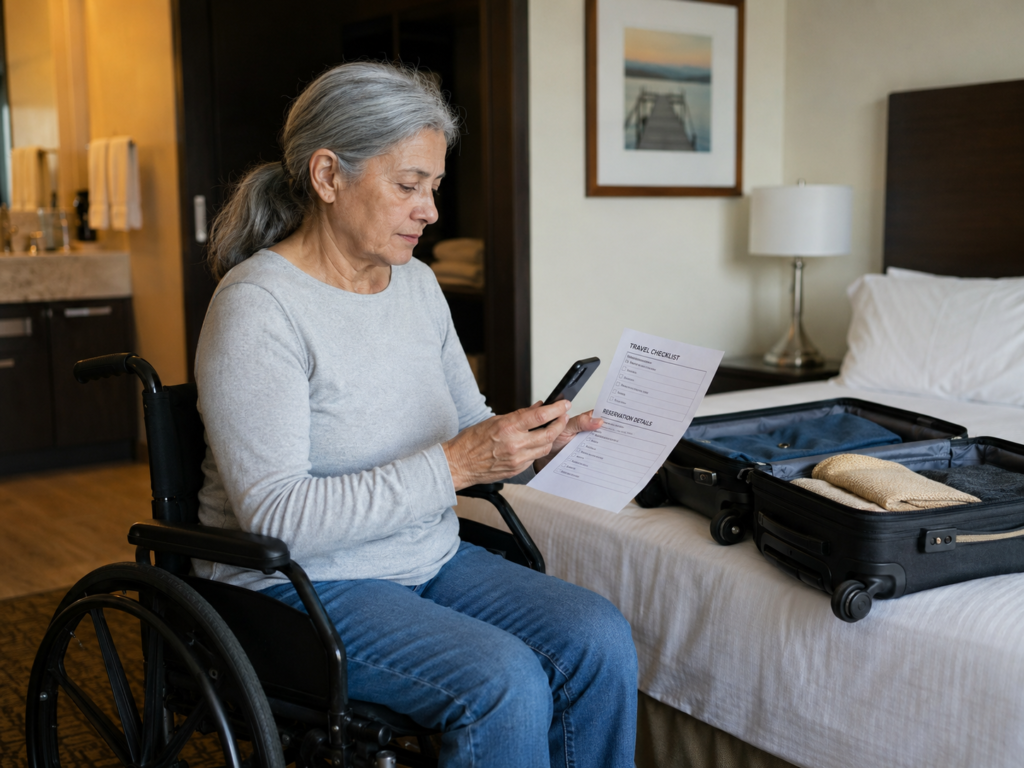
What you can do before travelling to reduce risks
Although issues cannot always be avoided, good preparation can help reduce them.
Before travelling, it is useful to:
- clearly explain your access needs;
- not rely only on a generic “accessible” label;
- ask for specific information;
- request real photos when needed;
- confirm measurements and equipment;
- review transfers and timing;
- ask about access, bathrooms, beds and common areas;
- keep important information in writing;
- carry useful documentation;
- know who to contact if something happens.
The more information there is before the trip, the easier it is to prevent problems and act if they arise.
What we do at TUR4all Travel
When we design a trip, we do not think only about the destination.
We review the full experience: accommodation, transport, activities, timing, support, surroundings and the specific needs of the traveller.
And if an issue comes up during the trip, our role is to support the management of that situation:
- we listen to what is happening;
- we assess the real impact of the issue;
- we contact the providers involved;
- we look for viable alternatives;
- we help document what happened when necessary;
- we keep the traveller informed;
- and we review afterwards what went wrong.
It is not just about selling a trip. It is about supporting an experience that should be lived with as much peace of mind, independence and safety as possible.
Travelling better also means knowing that someone is there
An accessible trip does not end when the booking is confirmed.
It starts long before that and continues throughout the whole experience.
That is why, when an issue arises, having a specialised agency can change the way the problem is experienced.
Not everything can always be solved immediately. The perfect solution may not always exist. But there can be a professional response, a reasonable alternative and a traveller who does not have to face the situation alone.
That is part of the difference.
Because travel with purpose also means travelling with planning, information and support.
And when something goes wrong, knowing that someone is there can make all the difference.
